
You want cars for sale that fit your budget, lifestyle, and long‑term plans. The best way to find the right car for sale is to compare new and used cars carefully, research reliable models, and review pricing and history before you commit. When you understand your options, you avoid costly mistakes and choose with confidence.
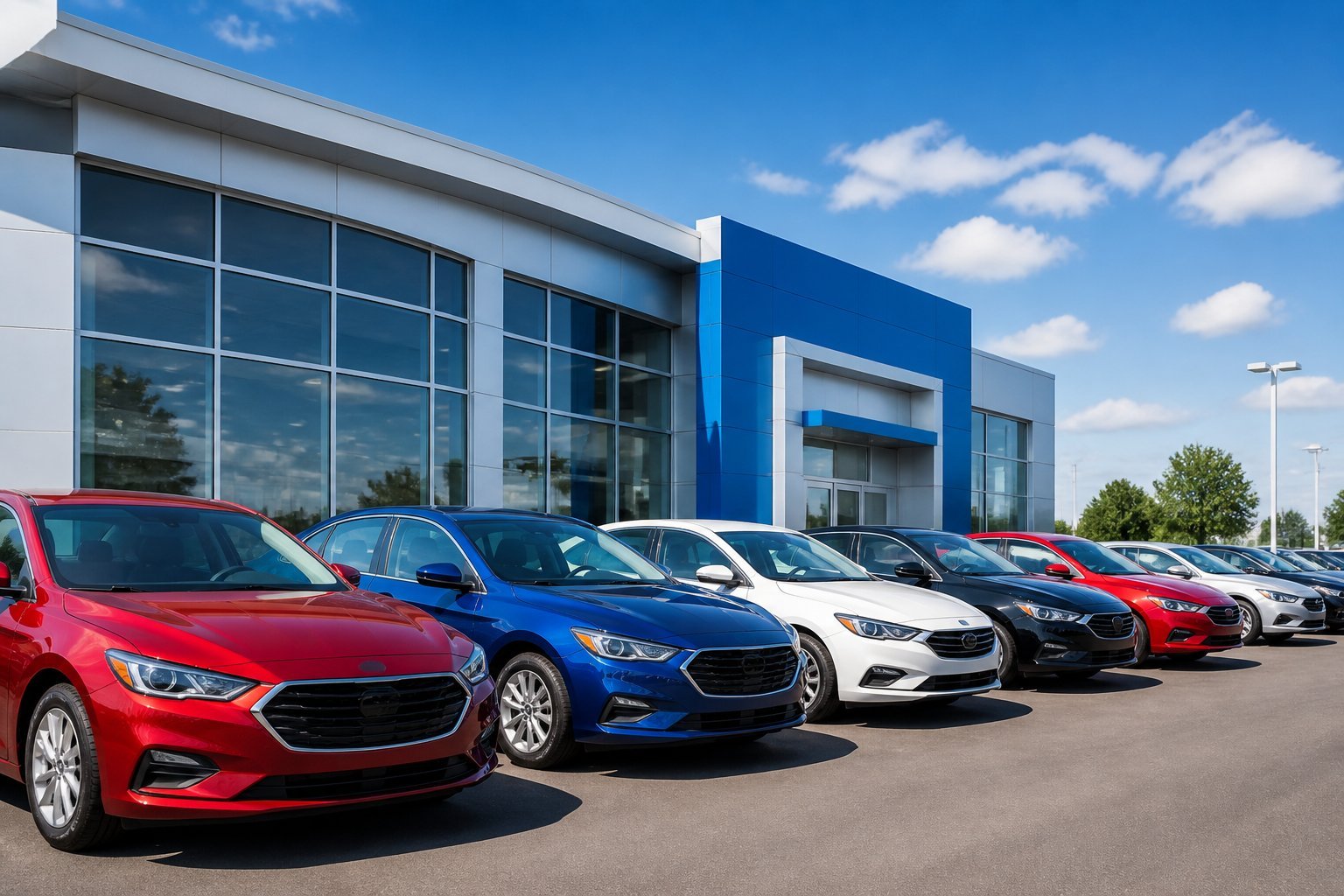
You will weigh the pros and cons of a new car against the value offered by a used car dealership. You will also look at popular body types, from compact hatchbacks to SUVs, and decide what suits your daily driving needs. Clear research keeps your focus on practicality, cost, and reliability.
You can search online marketplaces, visit dealerships, and explore financing options that match your budget. You should also check history reports, ownership records, and documentation before you buy or trade in your current vehicle. With the right preparation, you stay in control of every step of the process.
If you plan to buy or sell locally, our guides on car sales in NSW and keeping your car windows clear offer practical, hands-on tips before you shop.
Evaluating Your Options: Used Versus New Vehicles

When you compare a used car to a new car, focus on cost, reliability, and equipment. Each option affects your budget, risk level, and long-term ownership experience in specific ways.
Depreciation and Value
Depreciation creates the largest financial gap between a new car and used cars.
A new vehicle typically loses about 20% of its value in the first year and another 15% in the second year, as explained by this new vs used car comparison. You absorb that loss the moment you drive off the lot.
When you buy a used car, the first owner already paid for the steepest depreciation. That often lets you afford a higher trim level, upgraded engine, or premium brand for the same budget.
However, lenders may charge slightly higher interest rates on used cars. You should compare the total loan cost, not just the sticker price.
If you shop at a used car dealership, review vehicle history reports and market pricing data to confirm you are paying a fair value.
Reliability Differences
Reliability varies more by model and maintenance history than by age alone.
Data reviewed by Consumer Reports shows that vehicles purchased new tend to have the fewest reported problems, while certified pre-owned models have about 14% fewer problems than traditional used cars, according to this analysis of new, certified pre-owned, or used car reliability.
A new car includes a full factory warranty, which limits your repair costs during the first few years. That warranty coverage reduces financial uncertainty.
With used cars, condition matters more than age. A well-maintained three-year-old vehicle can outperform a neglected one-year-old model.
Before you finalize any used car purchase, pay for an independent inspection. That step protects you from hidden mechanical or structural issues.
Latest Features and Technology
New cars give you immediate access to the latest safety and driver-assistance systems.
You are more likely to get advanced features such as updated collision avoidance systems, improved infotainment software, and enhanced fuel efficiency in current model years.
Used cars may lack the newest technology, but many models just a few years old still include features like blind-spot monitoring, Apple CarPlay, and adaptive cruise control. You can often secure these features at a lower price point.
If cutting-edge technology and maximum warranty coverage matter most to you, a new car makes sense. If you prioritize cost efficiency and proven performance, a carefully selected used car can deliver strong value without sacrificing essential features.
Popular Models and Body Types

You will see consistent demand for compact SUVs, midsize sedans, full-size pickups, and performance coupes. Buyers often prioritize cargo space, fuel economy, towing capacity, technology, and long-term reliability within these segments.
Top SUVs and Crossovers
Compact and midsize SUVs continue to dominate cars for sale listings and sales volume. Models such as the Toyota RAV4 and Honda CR‑V rank among the best-selling vehicles in the U.S. thanks to strong fuel economy, standard safety features, and practical cargo space.
You can also look at the Chevrolet Equinox, Nissan Rogue, and Mazda CX-5 for balanced pricing and everyday usability. These models typically offer four-cylinder engines, available all-wheel drive, and user-friendly infotainment systems.
If you want a more premium feel, consider the BMW X5, Mercedes-Benz GLC, or Lexus RX. They deliver upgraded materials, advanced driver assistance systems, and stronger engine options.
For larger families or towing needs, the GMC Acadia, GMC Yukon, and Jeep Grand Cherokee provide more passenger space and higher tow ratings. The Yukon stands out with full-size SUV capability, while the Grand Cherokee blends off-road ability with refined road manners.
Best Sedans and Hatchbacks
Sedans remain a smart choice if you prioritize efficiency and smooth handling. The Toyota Camry ranks as one of the top-selling sedans in America, and it competes directly with the Honda Accord and Nissan Altima in the midsize category.
These cars typically offer spacious rear seats, large trunks, and available hybrid powertrains. You can expect modern safety suites and strong reliability records.
In the compact class, the Honda Civic, Hyundai Elantra, and Mazda Mazda3 provide lower starting prices and excellent fuel economy. The Civic also earns recognition among the most popular sedans for its mix of practicality and engaging handling.
If you want entry-level luxury, the INFINITI Q50 offers rear-wheel drive dynamics and a turbocharged engine. Although discontinued, the Ford Fusion still appears frequently in used listings and appeals to value-focused buyers.
Leading Trucks and Sports Cars
Full-size trucks lead national sales charts year after year. The Ford F-Series and Chevrolet Silverado 1500 consistently rank among the best-selling trucks and vehicles due to their towing capacity, multiple cab configurations, and wide engine choices.
When shopping for a truck, focus on:
- Towing and payload ratings
- Bed length and cab size
- Engine options, including turbocharged and diesel variants
- Available four-wheel drive systems
For performance-focused driving, sports cars offer a different experience. The Ford Mustang, Chevrolet Camaro, and Dodge Challenger provide V8 power and rear-wheel drive layouts at relatively accessible prices.
If you want sharper handling and premium engineering, the Porsche 911 delivers precise steering, strong acceleration, and daily usability. These models appeal to buyers who value speed, design, and driver engagement over cargo space.
Where to Search: Online Marketplaces and Dealerships
You can find cars for sale through large national platforms, local used car dealerships, and inventory aggregator sites. Each option gives you different tools for comparing prices, checking vehicle history, and contacting sellers.
Major Car Buying Platforms
Large platforms let you filter thousands of cars for sale in minutes. On sites like AutoTrader Canada, you can narrow results by make, model, year, mileage, price range, transmission, and fuel type.
Most major platforms also label vehicles as dealer or private sales. That distinction affects negotiation flexibility, warranty options, and financing availability.
TrueCar focuses on price transparency by showing what others paid for similar vehicles. You see market averages and dealer pricing upfront, which helps you judge whether a listing sits above or below typical market value.
Use these platforms to compare similar used cars side by side. Pay attention to mileage, accident history disclosures, service records, and included features such as driver assistance systems or infotainment upgrades.
Always review seller ratings and confirm whether the price includes dealer fees.
Finding Local Used Car Dealerships
A local used car dealership gives you direct access to inventory and in-person support. You can inspect the vehicle, request a test drive, and speak with a sales representative the same day.
Many dealerships publish their stock online. For example, HGregoire used cars in Montreal highlights a large pre-owned inventory across Quebec, allowing you to browse by body type, price, and location before visiting.
Dealerships often include:
- On-site financing
- Trade-in evaluations
- Extended warranty options
- Vehicle history reports
You should confirm whether the vehicle passed a multi-point inspection and whether the dealership provides a return policy. Ask for the full out-the-door price in writing to avoid confusion about taxes and documentation fees.
Benefits of Aggregator Sites
Aggregator sites pull cars for sale from multiple sellers into one searchable database. This saves you time because you avoid checking individual dealer websites one by one.
Platforms like Auto123 used cars in Montreal combine listings from different dealerships and private sellers, which makes price comparison easier across brands and model years.
You can quickly identify patterns such as:
| Factor | What to Compare |
|---|---|
| Mileage | Similar year vehicles with lower kilometers |
| Price | Dealer vs private listing differences |
| Trim | Base vs higher trims with added features |
Aggregator sites help you spot overpriced listings and underpriced opportunities. You still need to verify availability directly with the seller, but you gain a broad market view before making contact.
Making Your Cars for Sale Search Work
Finding the right cars for sale comes down to research, comparison, and patience. Whether you browse online marketplaces or visit a local dealership, compare pricing, check vehicle history, and inspect each option before you commit. With a clear plan, you can turn a long list of cars for sale into one confident, well-informed decision.
Cars for Sale: Frequently Asked Questions
Is it better to buy a new or used car?
It depends on your budget and priorities. A new car offers the latest features and a full warranty, while used cars for sale let you skip the steepest depreciation and often afford a higher trim for the same price. If long-term value matters most, a well-inspected used car is usually the smarter buy.
Where can I find the best cars for sale near me?
Start with large national marketplaces to compare prices, then check local dealerships for in-person inspections and financing. Aggregator sites pull cars for sale from many sellers into one place, which makes it easy to spot fair deals and avoid overpriced listings.
How do I avoid overpaying for a car?
Compare similar listings side by side, review the vehicle history report, and check market pricing data before you negotiate. Always ask for the full out-the-door price in writing so dealer fees and taxes do not surprise you.
Should I get a used car inspected before buying?
Yes. Pay for an independent, multi-point inspection before you finalize any used car purchase. A small upfront cost can reveal hidden mechanical or structural issues and save you thousands later.
What should I check before test driving a car?
Confirm the mileage, service records, and ownership history, and make sure the listing photos match the actual vehicle. During the drive, test the brakes, steering, air conditioning, and any driver-assistance features to be sure everything works.


