

Classified Australia platforms let you quickly find or sell everything from everyday items to higher‑value goods across Australia by using classified platforms that focus on clear, searchable listings. If you want to reach local buyers or move specialized assets, using a dedicated Australian classifieds site lets you target local markets, compare prices, and list with formats suited to cars, real estate, machinery, or household goods.

This guide shows how the main marketplace features work, how to craft effective listings, and how to protect yourself when buying or selling. You’ll also see practical tips on legal, ethical, and emerging trends in classified advertising so you can make confident choices and get the best results.
Classified Australia Marketplace Overview
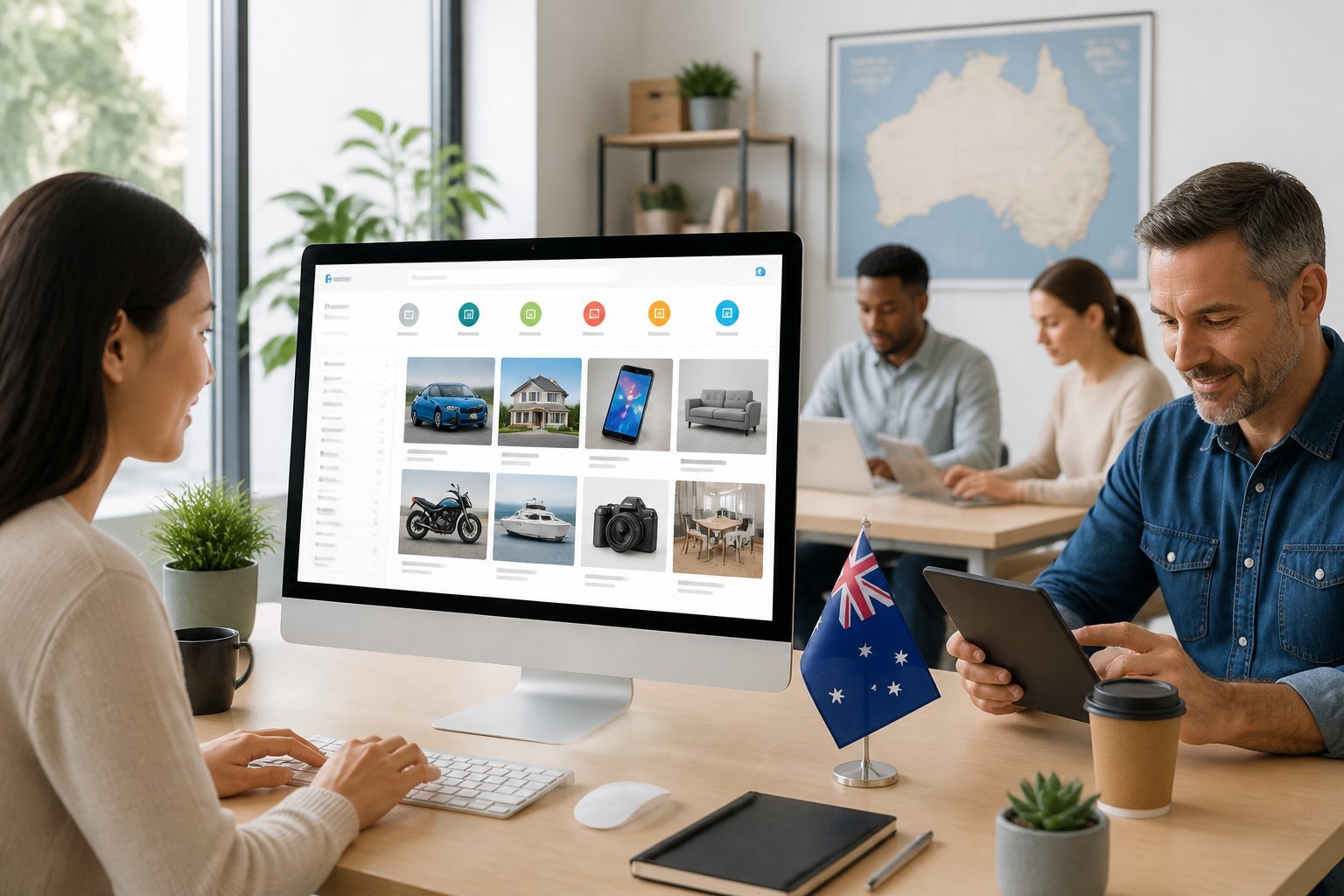
Australian classified marketplaces host listings across vehicles, real estate, jobs, and general goods, with platforms emphasizing search, pricing transparency, and mobile-first experiences. You’ll find differences in fees, seller tools, and trust features that shape where buyers and sellers transact.
Leading Platforms and Their Features
Major sites focus on clear categorization and advanced search filters so you can find specific items quickly. Expect dedicated sections for cars, property, and jobs, plus sorting by price, location, condition, and seller type.
Seller tools vary: some platforms offer paid prominence (featured listings), seller dashboards with analytics, and bulk-upload options for dealers. Payment and delivery support ranges from simple contact details to integrated payments and logistics partnerships for higher-value items.
Trust features matter: look for user reviews, identity verification, scam-detection notices, and secure messaging. Business-oriented marketplaces add invoicing and escrow-like services to reduce risk on expensive transactions.
User Demographics and Trends
You’ll see heavy usage among 25–44-year-olds who transact in vehicles, electronics, and home goods. Urban users dominate listings for higher-value categories like property and cars, while regional users post more agricultural equipment and trade tools.
Smartphone adoption drives more casual, impulse buys; professionals and dealers still rely on desktop workflows for inventory management and bulk listings. Sustainability and secondhand interest increase demand for refurbished goods and honest condition descriptions.
Expect growth in commercial listings as small businesses list machinery and assets. Price sensitivity and quick-response expectations shape how you price items and respond to inquiries.
Mobile Versus Desktop Usage
Mobile drives browsing and quick purchases; apps and responsive sites capture local searches and on-the-spot listings. You should optimize photos and short descriptions for mobile viewers who decide within seconds.
Desktop remains important for complex tasks: long-form listings, comparative price research, and bulk uploads work better on larger screens. Use desktop when you need detailed editing, analytics review, or to manage multiple listings at once.
Cross-device continuity helps: saved searches, synced messages, and seller dashboards improve conversion. If the platform offers push notifications, enable them to respond faster to leads and close sales more effectively.
Listing Strategies and Best Practices

Focus on clarity, relevance, and speed: craft ads that answer buyer questions, use photos that show condition and scale, and set prices tied to your timeline and market signals.
Creating Effective Ads
Lead with a precise headline that includes the item type, brand, model, and key attribute — for example: “IKEA Kallax 4×4 White — Excellent Condition, 2018”. Open the description with the item’s condition, dimensions, and any recent maintenance or faults. Use bullet points for specs: material, measurements, purchase year, warranty status, and included accessories.
State pickup/delivery options and your acceptable payment methods early. Include your suburb or nearest landmark to attract local searchers. End with a clear call to action: how to contact you, the best times to inspect, and whether you accept offers.
Optimizing Photos and Descriptions
Use at least 6 photos showing the full item, close-up of wear, serial/model plates, and any accessories. Shoot in daylight on a neutral background and include a ruler or familiar object for scale when size matters. Crop tightly but avoid misleading angles.
Write descriptions that match photos exactly. Highlight faults in the first two lines to build trust. Add searchable keywords naturally — brand, color, model, and common variant names — but avoid keyword stuffing. Tag the correct category and subcategory to ensure buyers find your ad.
Pricing for Fast Results
Research recent sold listings on major platforms and local marketplace groups for comparable items. Price 10–20% below average if you need a quick sale, or list at market value with “offers considered” to invite negotiation. If you set a buy-now price, make it a round number to simplify decisions.
Include clear pricing cues in the listing: whether the price is firm, negotiable, or for collection only. Offer a short window for reduced price (e.g., “Price drops to $X after 3 days”) to create urgency without misrepresenting value.
Buying and Selling Safely
Protect your money, personal details, and time by spotting common scams, using verified payment methods, and following safe meeting practices. Focus on concrete checks: verify identities, prefer traceable payments, and meet in public, well-lit places with a witness when possible.
Recognizing Scams and Fraud
Watch for requests to pay before you see the item, unusually low prices for high-value goods, or pressure to act immediately. Scammers often use copied photos, vague listings, or stories about overseas buyers; reverse-image search photos and check the listing history for inconsistencies.
Verify buyer or seller identity through a phone call and matched profile details (same name, photos, and contact info). Be wary of email addresses or phone numbers that don’t match the platform. If a buyer insists on using a different platform, requests unusual paperwork, or offers more than your asking price, treat it as a red flag.
Report suspicious messages and listings to the marketplace and retain screenshots and chat logs. If someone asks you to move a transaction off-platform, declines to meet publicly, or asks for personal documents like your tax file number, stop communication and block them.
Secure Payment Methods
Prefer payments that provide buyer or seller protection and a clear audit trail. Use platform-integrated payment systems, PayPal Goods & Services, or bank transfers through a trusted bank; avoid instant cash transfers like cryptocurrency or payment apps without buyer protection.
For bank transfers, confirm the payer’s name and reference before releasing goods. For higher-value items, use an escrow service that holds funds until you confirm delivery. If you accept cash, count it in a bank branch or secure location and check bills with a counterfeit detector.
Never share full banking passwords, PINs, or identity documents by message. If a buyer offers to cover extra fees via a separate payment or insists on refunding overpayment, verify the original cleared funds with your bank before acting.
Meeting in Person Guidelines
Choose public, well-lit locations with CCTV and people present, such as police station front counters, shopping centre security desks, or busy cafes. Arrange daytime meetings whenever possible and tell a friend or family member the time and location.
Bring a mobile phone with charged battery and, for cars, meet in a designated safe-exchange zone at a police station or large supermarket. Inspect the item fully before accepting payment; for vehicles, request matching registration papers and conduct a basic VIN or service history check.
If the buyer or seller behaves aggressively, leaves abruptly, or produces inconsistent documents, disengage and leave immediately. Trust your instincts: it’s better to cancel a sale than risk your safety.
Legal and Ethical Considerations
You must follow specific laws, platform rules, and community standards when posting or moderating classifieds. Expect obligations around safety, privacy, prohibited goods, and advertising that carry civil and criminal penalties if breached.
Regulations for Online Classifieds
You are subject to Commonwealth and state laws that affect listings: consumer protection (Australian Consumer Law), privacy (Privacy Act where applicable), and industry-specific regulations like firearms, vehicle sales, and health advertising. Platforms must implement notice-and-takedown procedures and keep records to respond to law enforcement and statutory disclosure requests.
Operators and users both carry duties. You should provide accurate item descriptions, not misrepresent condition or provenance, and comply with mandatory safety recalls and product standards. If you handle personal information, apply reasonable data security and only collect what’s necessary. Keep written records of transactions and communications to defend against allegations of fraud or non-compliance.
Banned Items and Services
You must not list illegal drugs, unlicensed firearms, wildlife protected under law, child exploitation material, or stolen goods. Many platforms also ban items that require licensing or safety certification—such as car seats, medical devices, and certain electrical appliances—unless you can prove compliance.
Services that exploit or endanger people are prohibited. You must avoid listings for escort services that violate local laws, unlicensed childcare, or offers that facilitate fraud. Check both criminal statutes and platform policies before posting; violations can lead to account suspension, civil liability, or criminal charges.
Trends in Classified Advertising
You will see growth in specialised categories and a stronger market for pre-owned goods. Platforms are shifting features and monetisation to match buyer expectations and sustainability-driven demand.
Emerging Categories and Niches
You should watch verticals that have moved from general listings to specialist marketplaces. Jobs in gig and remote work, niche automotive segments (EV conversions, classic restorations), and hobbyist equipment (drones, 3D printers, studio gear) attract higher-value listings and more engaged buyers.
Platforms now offer category-specific filters, seller verification, and integrated payment/financing options to reduce friction and increase conversion rates.
Expect local services—home maintenance, mobile mechanics, and on-demand tutoring—to expand as searchable categories. You can also find growth in B2B classifieds: surplus industrial equipment, packaging, and office fit-outs. These listings often use richer content (PDF spec sheets, warranty tags) and subscription-based seller tools.
Sustainability and Secondhand Markets
You can capitalise on consumer shifts toward reuse and repair. Pre-owned furniture, refurbished electronics, and clothing resale dominate volume and deliver higher repeat engagement. Listings highlighting provenance, repair history, and refurbishment certification perform better.
Platforms add features like condition grading, certified refurbishment badges, and local pickup logistics to build trust and reduce returns.
Buyers increasingly prioritise circular-economy options for cost savings and lower environmental impact. You should expect partnerships between classifieds and repair or refurbishment services, bundled warranties for used items, and category-specific sustainability badges to become common.
