
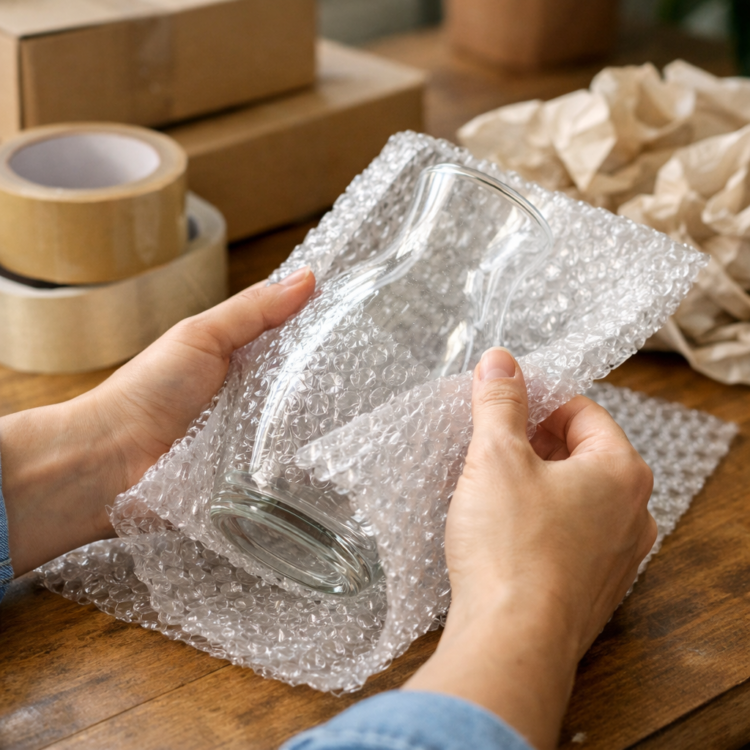
If you’re wondering how to pack fragile items for local delivery, you’re not alone. Whether you’re selling vintage glassware, electronics, or delicate décor through an online marketplace, proper packing can mean the difference between a five-star review and a damaged-goods disaster. Fortunately, protecting breakables doesn’t require professional skills or expensive materials.
Why Packing Fragile Items Properly Matters for Local Sales
Local marketplace transactions often involve quick handoffs or short-distance deliveries. However, even a 10-minute drive can result in broken items if they’re not secured correctly. As a seller, damaged goods lead to refund requests and negative feedback. For buyers arranging pickup, understanding proper packing helps you assess whether a seller has prepared items safely for transport.
Moreover, well-packed items show professionalism and care. This attention to detail builds trust between buyers and sellers, encouraging repeat business and positive reviews in your local marketplace community.
Essential Materials for Packing Breakables Safely
Before you learn how to pack fragile items effectively, gather the right supplies. Fortunately, most materials are inexpensive or free. Here’s what you’ll need:
- Sturdy cardboard boxes (slightly larger than your item)
- Bubble wrap or foam sheets for cushioning
- Packing paper or clean newspaper for filling gaps
- Packing tape (at least 2 inches wide)
- Towels or blankets for extra-delicate items
- Markers for labeling boxes clearly
Many of these materials can be sourced for free from local stores or reused from previous deliveries. In fact, repurposing packing materials is both economical and environmentally friendly.
Step-by-Step: How to Pack Fragile Items for Transport
Start by preparing your box with a cushioning layer on the bottom. Use crumpled packing paper or bubble wrap to create at least two inches of padding. This foundation absorbs shock from bumps and sudden stops during delivery.
Next, wrap each fragile piece individually. For glassware and ceramics, use at least two layers of bubble wrap, securing it with tape. Electronics benefit from anti-static bubble wrap or foam corners that protect vulnerable edges and screens.
The Critical Middle Layer
Once wrapped, place your item in the center of the box. Fill all empty spaces with additional packing material—gaps allow items to shift and collide during transport. The item should not move when you gently shake the sealed box.
Finally, add a top cushioning layer matching your bottom padding. Seal the box securely with packing tape, running strips along all seams and edges. Label the box clearly with “FRAGILE” and arrows indicating which side should face up.
Special Considerations for Different Fragile Item Types
Different breakables require specific packing techniques for safe delivery. Glassware and dishes should be wrapped individually and packed vertically (on their edges) rather than stacked flat, as this position better distributes pressure.
Electronics need extra care around screens and ports. Place cardboard pieces over screens before wrapping, and fill battery compartments with tissue to prevent rattling. Keep original packaging whenever possible—manufacturers design these boxes specifically for protection.
Artwork and Mirrors
For flat, fragile items like framed pictures, create a cardboard sandwich. Place a cardboard sheet on each side of the item, then wrap the entire package. Corner protectors (easily made from folded cardboard) prevent frame damage during handling.
Communication Tips for Safe Fragile Item Handoffs
Packing fragile goods properly is only half the equation. Clear communication ensures safe delivery from start to finish. As a seller, inform buyers about the item’s fragile nature and how you’ve packed it. Provide handling instructions and suggest they bring blankets or towels for car transport.
During pickup or delivery, demonstrate how to carry the box properly. Point out which side should stay upright and whether the package is heavy. This brief conversation prevents accidents and shows you care about the item reaching its destination intact.
Additionally, consider taking photos of your packed items before handoff. This documentation protects both parties by providing evidence of proper preparation should any disputes arise about item condition.
Budget-Friendly Alternatives to Professional Packing Supplies
Professional packing supplies can be expensive, but numerous household items work equally well for protecting breakables. Clean clothing, towels, and bedding make excellent cushioning materials for local deliveries. Egg cartons provide perfect dividers for small delicate items like Christmas ornaments.
Newspaper works wonderfully as gap filler, though avoid direct contact with items that might absorb ink. Shredded paper from home offices creates effective cushioning. Even grocery bags stuffed with air can serve as lightweight padding for less-fragile items.
Therefore, you don’t need to spend a fortune on supplies. Creativity and resourcefulness often produce packing solutions just as effective as store-bought materials.
Final Thoughts on Protecting Your Marketplace Items
Knowing how to pack fragile items transforms potentially stressful transactions into smooth, successful exchanges. The few extra minutes spent wrapping and cushioning breakables properly protect your investment, reputation, and customer relationships. Whether you’re a frequent seller or occasional buyer, these packing fundamentals ensure your delicate items arrive in perfect condition, ready to be enjoyed in their new home.
You might also like:

See Wild Koalas Australia: Kangaroo Island Guide
September 15, 2026 at 11:02 am
[…] How to Pack Fragile Items for Local Delivery: A Buyer and Seller’s Guide […]