
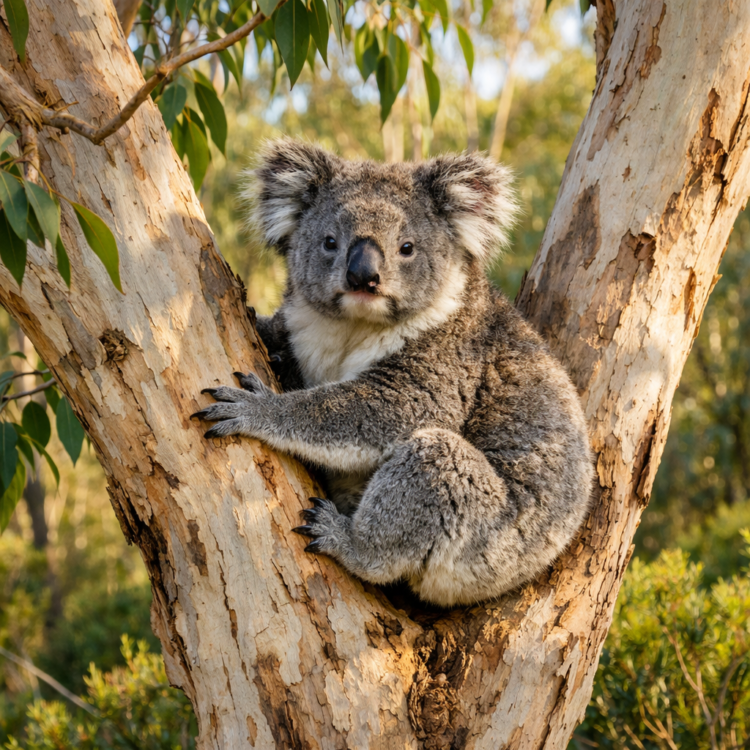
Spotting koalas on Kangaroo Island is unlike any zoo experience you’ve had. Off the coast of South Australia near Adelaide, this island is home to a thriving wild koala population that you can observe going about their daily lives in towering eucalyptus forests. No enclosures, no crowds jostling for position—just you, the bush, and the soft rustle of a koala munching leaves overhead.
Why Kangaroo Island’s Koalas Are Different
The koalas here descend from a small group introduced to the island in the 1920s, and they’ve flourished in an environment free from many mainland threats. Without natural predators and with abundant food sources, the population has grown remarkably healthy. These koalas tend to be larger and more robust than their mainland cousins, and because the island has no history of chlamydia (a disease devastating mainland populations), they’re thriving.
This matters for visitors because the koalas are easier to spot. Dense populations mean you’ll often see multiple animals in a single stand of trees, sometimes including mothers with joeys clinging to their backs.
Best Locations for Spotting Koalas on Kangaroo Island
Eucalyptus Distillery and the surrounding bushland near Cygnet River consistently delivers sightings. Walk slowly along the trails here, scanning the forks of manna gum branches about 5-10 meters up. Koalas wedge themselves into branch junctions, so train your eyes to spot the grey fur ball shapes rather than looking for movement—they’re famous for sleeping 18-20 hours a day.
Hanson Bay Wildlife Sanctuary offers excellent koala viewing along its walking trails. The sanctuary’s eucalyptus woodland has viewing platforms that put you at canopy level, making photography much easier. Check the visitor centre for current access details and any seasonal considerations.
Flinders Chase National Park, particularly around the Rocky River area, hosts plenty of koalas alongside kangaroos, wallabies, and echidnas. The mixed habitat here means you’ll likely spot multiple native species during a single walk.
Tips for Finding Koalas in the Trees
- Look for scratch marks on smooth-barked eucalyptus trunks—koalas leave telltale claw grooves as they climb
- Check the ground beneath trees for distinctive cube-shaped droppings
- Listen for males bellowing during breeding season (spring through summer)—it’s a surprisingly deep, guttural sound
- Bring binoculars; even a basic pair makes spotting much easier and lets you observe without disturbing them
- Scan systematically tree by tree rather than sweeping your gaze randomly across the canopy
When to Visit for the Best Koala Encounters
Early morning and late afternoon are prime times. Koalas are most active during these cooler parts of the day, feeding and occasionally moving between trees. You might catch them grooming, vocalizing, or—if you’re lucky—a mother interacting with her joey.
Summer (December-February) brings longer daylight hours and breeding activity, though koalas tend to move higher into the canopy to escape the heat. Winter (June-August) sees them positioned lower in trees, soaking up sunshine, which makes spotting them easier but means shorter viewing windows due to reduced daylight.
Spring offers the sweet spot: comfortable temperatures, joeys becoming more visible as they venture out of the pouch, and manageable visitor numbers before the summer peak.
Photography and Observation Etiquette
Wild koala spotting on Kangaroo Island works best when you respect their space. Never shake branches, throw objects, or make loud noises to wake a sleeping koala. Stressed koalas will climb higher or relocate, and repeated disturbances can impact their feeding patterns.
A zoom lens (even a smartphone with decent digital zoom) means you can capture wonderful photos without approaching too closely. The island’s healthy koala population means if one animal is too high or obscured, you’ll likely find another within a few hundred meters.
Stay on marked trails. The island’s vegetation is sensitive, and bushland recovery from the 2019-20 bushfires is ongoing in some areas. Check with the visitor information centre about which areas are currently best for wildlife viewing.
Planning Your Koala-Spotting Visit
Kangaroo Island is accessible by ferry from Cape Jervis or by air from Adelaide. Allow at least two full days on the island to explore multiple habitats at a relaxed pace. The island’s other wildlife—sea lions, wallabies, echidnas, and diverse birdlife—means you’ll want time beyond just koala watching.
Pack layers regardless of season. Coastal weather can shift quickly, and you’ll be spending time standing still while scanning the canopy. A hat, sunscreen, and water are essential year-round (remember, you’re in the Southern Hemisphere, so summer peaks in January).
For current park fees, accommodation options, and guided tour availability, check the official South Australia visitor information website before your trip. Some private sanctuaries require advance booking, particularly during school holidays and peak tourist seasons.
Seeing a wild koala make its deliberate way along a branch, pausing to select the perfect eucalyptus leaf, is a privilege that never gets old. Kangaroo Island gives you the rare chance to watch these iconic animals living exactly as nature intended—at their own unhurried pace, in their own territory, completely unimpressed by your presence. That’s exactly as it should be.
You might also like:
- Gliding at Lake Keepit: A Weekend Learning to Fly Near Tamworth
- Why Lake Keepit Gliding Club Makes a Weekend Near Tamworth Unforgettable
For current opening hours, prices and bookings, see Great Barrier Reef Marine Park Authority.
