
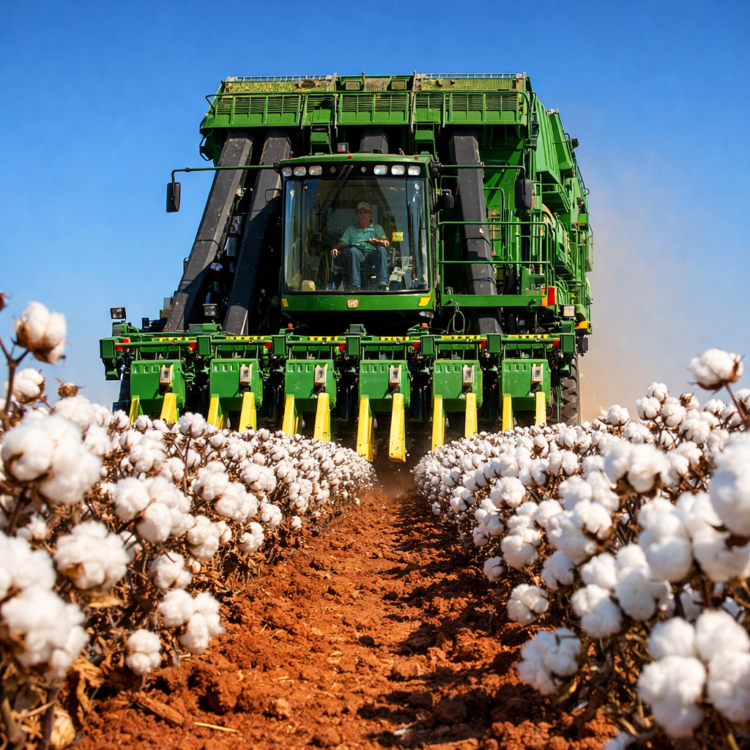
Cotton farm tours near Moree offer travellers a rare window into one of Australia’s most valuable agricultural industries, taking you beyond the roadside fields into the heart of working cotton operations in the Gwydir Valley. Unlike more common wine or orchard tours, visiting a cotton farm reveals machinery and processes most city visitors have never encountered, making it an unexpectedly fascinating experience for anyone curious about where their clothes really come from.
Why Cotton Farm Tours in Moree Are Worth Your Time
The Moree region is Australia’s cotton heartland, producing a significant portion of the nation’s crop each year. However, cotton farming remains largely invisible to most Australians despite its economic importance. These guided farm visits bridge that gap, offering genuine insight rather than just photo opportunities.
What makes cotton tours particularly interesting is the sheer scale and sophistication involved. Modern cotton farms around Moree operate more like outdoor factories, with GPS-guided machinery, soil moisture sensors, and carefully timed irrigation drawing on the region’s artesian water. For visitors, it’s a compelling blend of tradition and cutting-edge agricultural technology.
What Happens on a Cotton Farm Tour Near Moree
Local tour operators run cotton farm experiences during the growing and harvest seasons, typically taking small groups onto working properties. While each farm tour varies, most follow a similar structure that gives visitors a comprehensive overview.
You’ll usually begin with an introduction to the farm’s history and the cotton growing cycle. Then you’ll head out into the fields themselves, often travelling by bus or four-wheel drive. During growing season (roughly November to April), you’ll see the plants at various stages, from seedlings to the distinctive white bolls ready for picking.
The Harvest Season Advantage
If you’re visiting between April and June, you might witness the harvest itself. The massive cotton pickers—machines worth over a million dollars—are genuinely impressive to watch. They can harvest several rows simultaneously, stripping the cotton and compacting it into modules right in the field. Seeing one of these machines work up close is often the highlight visitors remember most.
Timing Your Cotton Farm Tour Visit
Unlike museums or attractions with year-round hours, agricultural tours depend heavily on seasonal rhythms. Cotton farming in the Gwydir Valley follows a predictable calendar, which affects what you’ll experience.
The most dramatic time to visit is during harvest (April through June), when the fields turn white and the big machinery rolls. However, tours during the growing season offer different insights into irrigation, pest management, and plant development. Some visitors actually prefer the quieter growing months when farmers have more time to answer questions in depth.
Because these are working farms with unpredictable weather and operational demands, it’s essential to book ahead and confirm your tour a day or two before. Check with the Moree Visitor Information Centre for current tour operators and availability, as offerings can change seasonally.
Practical Tips for Your Cotton Tour Experience
Coming prepared will make your cotton farm tour considerably more comfortable and rewarding. Here’s what to keep in mind:
- Dress for the outdoors: Closed-toe shoes are essential, and long pants protect against dust and sun. A wide-brimmed hat and sunscreen are non-negotiable in the exposed Moree fields.
- Bring water: Tours can last two to three hours, often in warm conditions with limited shade.
- Camera ready: The contrast of white cotton against red soil and blue sky makes for striking photos, and most farmers are happy for you to photograph equipment and fields.
- Ask questions: Farmers are typically passionate about their work and appreciate genuine interest. Don’t hold back on asking about challenges, water management, or sustainability practices.
- Allow flexibility: Farm operations sometimes require last-minute schedule changes, so build a buffer into your Moree itinerary.
Combining Cotton Tours with Pecan Farm Visits
The Moree region also produces pecans, and some tour operators offer combined agricultural experiences. Visiting both a cotton farm and a pecan operation in one day gives you a fuller picture of the valley’s diverse farming economy. Pecan orchards provide a completely different aesthetic—shaded rows of trees rather than open cotton fields—and the harvest timing differs, with pecans typically picked in autumn.
For current tour availability, pricing, and booking requirements for both cotton and pecan experiences, contact the Moree Visitor Information Centre directly. They can connect you with operators running tours during your visit dates.
Where to Stay While Exploring Moree’s Agricultural Scene
Moree offers several accommodation options that let you unwind after a day on the farms. The Gwydir Caravan Park, Motel & Thermal Pools on the corner of Newell Highway and Amaroo Drive features on-site thermal pools—perfect for soaking away any farm tour dust. Alternatively, the Moree Tourist Park at 28 Oak Street sits riverside on the Mehi River and also has artesian pools on-site.
After your cotton farm tour, consider exploring more of what makes this region special. The Moree Artesian Aquatic Centre draws thermal water naturally heated to around 41°C from the Great Artesian Basin, offering a uniquely Australian spa experience. The Bank Art Museum Moree houses one of regional Australia’s most significant Aboriginal art collections, providing cultural context for the land you’ve been exploring.
Cotton farm tours in the Moree region offer an authentic agricultural experience that’s increasingly rare in modern tourism. You’ll leave with genuine appreciation for the complexity, skill, and technology behind every cotton t-shirt, and stories that’ll surprise friends back home. For a travel experience that’s educational, visually striking, and distinctly Australian, add a cotton tour to your Gwydir Valley itinerary.
You might also like:
- Moree Art Deco Architecture: How to Spot the Details on Balo Street
- How to Price Items for a Moving Sale: A Room-by-Room Guide
For current opening hours, prices and bookings, see NSW National Parks – Mount Kaputar National Park.

Sunrise at Oxley Lookout: Tamworth's Best Dawn View
September 10, 2026 at 9:06 am
[…] Cotton Farm Tours Near Moree: What to Expect Behind the Bales […]
Gliding at Lake Keepit: Learn to Fly Near Tamworth NSW
September 11, 2026 at 8:01 pm
[…] Cotton Farm Tours Near Moree: What to Expect Behind the Bales […]
Timbertown Wauchope: A Family Day Trip Guide
September 13, 2026 at 4:03 am
[…] Cotton Farm Tours Near Moree: What to Expect Behind the Bales […]
Night Diving Great Barrier Reef: After-Dark Guide
September 15, 2026 at 4:07 am
[…] Cotton Farm Tours Near Moree: What to Expect Behind the Bales […]