
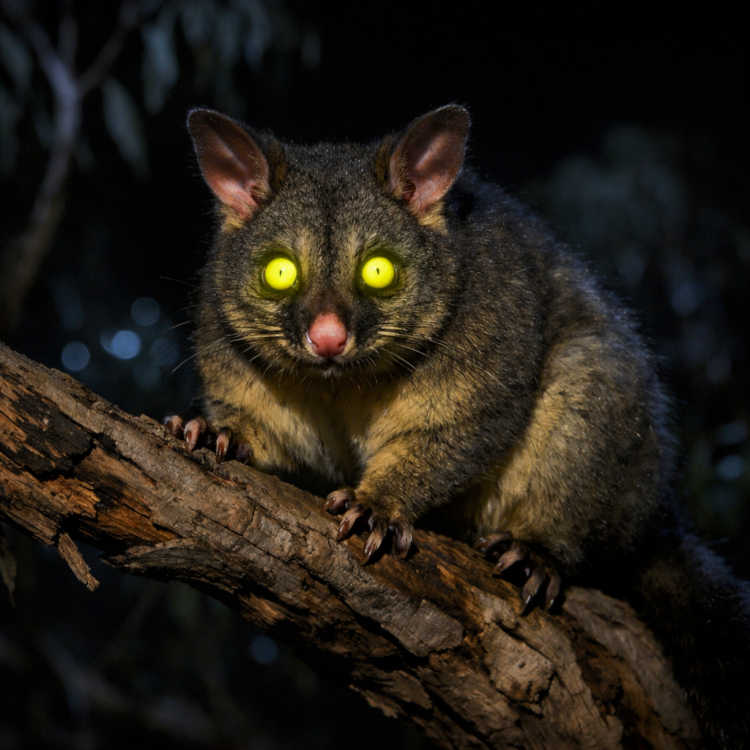
Night wildlife spotting on Kangaroo Island transforms a good wildlife experience into an extraordinary one. While most visitors explore this South Australian island by daylight, the nocturnal shift reveals an entirely different cast of characters: glowing eyes in the torchlight, rustling movements through coastal scrub, and creatures that spend their days hidden entirely. If you’re serious about seeing the island’s wildlife in their most active, natural state, you need to stay up past dark.
Why Night Wildlife Spotting on Kangaroo Island Beats Daytime Encounters
The koalas you photograph sleeping in eucalyptus branches at midday? They’re wide awake at night, moving between trees and feeding. During daylight hours they’re essentially comatose, conserving energy. After sunset, they become surprisingly active climbers.
Then there are the animals you’ll simply never see in daylight. Brushtail possums emerge from tree hollows. Potoroos—small, rat-kangaroo relatives that are endangered on the mainland—forage through leaf litter. The southern brown bandicoot, with its distinctive pointed snout, digs for insects and fungi. These aren’t camera-shy rarities hiding from tourists; they’re genuinely nocturnal, biologically programmed to avoid daylight.
The island’s famous Tammar wallabies are crepuscular, most active at dawn and dusk, but spotting wallabies at night is far easier than trying to catch them in the brief twilight windows.
What You’ll Actually See After Dark
Eyeshine gives away your first sighting. Sweep a torch across the scrubland and you’ll catch the reflective glow of tapetum lucidum—the mirror-like layer behind nocturnal animals’ retinas. Different species reflect different colours. Kangaroos and wallabies glow red-orange. Possums shine bright yellow-green.
On a typical night safari on Kangaroo Island, you might encounter:
- Koalas actively feeding (rather than sleeping) high in manna gum branches
- Western grey kangaroos grazing in open paddocks, unfazed by torchlight
- Brushtail possums darting along fence lines and power poles
- Potoroos bounding through undergrowth near bushland edges
- Southern brown bandicoots with their conical nose-holes dotting the ground
- Owls, nightjars and tawny frogmouths hunting from roadside perches
The sounds matter as much as the sights. You’ll hear the guttural bellowing of koalas (surprisingly deep and loud for such a cuddly-looking animal), the whoosh of wings as barn owls hunt, and the chorus of frogs from roadside wetlands.
Where to Go for Nocturnal Wildlife Viewing
The interior roads through farmland and remnant bushland deliver the best results. Seal Bay Conservation Park’s surroundings, Flinders Chase National Park’s entrance roads, and the Playford Highway between Penneshaw and the north coast all cut through prime habitat.
Drive slowly—20-30 km/h maximum—especially in the first few hours after sunset when animals are most active. Many visitors hire vehicles and self-drive, though guided night tours offer the advantage of an experienced spotter who knows where to look and how to identify species by eyeshine colour and movement patterns alone.
For self-drivers doing wildlife spotting at night on Kangaroo Island: use high-beam headlights on empty roads (dipping for oncoming traffic), scan verges and paddocks systematically, and stop completely when you spot eyeshine rather than trying to identify animals while moving. A handheld torch or spotlight significantly improves your chances compared to headlights alone.
Practical Tips for After-Dark Animal Encounters
Timing matters. Head out 30-60 minutes after sunset, when light levels drop but animals haven’t yet retreated to deeper cover. The first two hours of darkness typically produce the most sightings. Moonless nights make eyeshine easier to spot, though a partial moon provides enough ambient light to see animals once you’ve located them.
Pack warm layers—even summer nights (December-February) on the island cool down quickly near the coast, and you’ll be stopping frequently with windows down. Winter (June-August) night safaris require proper jackets and beanies. A red-filtered torch causes less disturbance to wildlife than white light, though both work.
Check the official Kangaroo Island visitor information website for current details on guided night tour operators, as availability and booking requirements change seasonally. Several operators run small-group spotlighting tours that combine expert commentary with purpose-built spotlights.
Why This Matters More Than Another Koala Photo
Most Kangaroo Island visitors leave with photos of sleeping koalas and distant sea lions. Fine subjects, but static. Night wildlife observation shows you behaviour: animals hunting, feeding, interacting, moving through their territories. You’re watching ecology unfold in real-time rather than ticking species off a list.
The island’s wildlife is also unusually tolerant of careful human presence after dark. Animals accustomed to vehicle traffic continue foraging even when observed, provided you keep noise low and movements calm. It’s observation without the anxiety of whether you’re disturbing natural behaviour.
Before You Go Searching for Nocturnal Wildlife
Drive with extreme caution. Kangaroos crossing roads after dark cause accidents. Give yourself time to stop, never swerve suddenly, and assume any eyeshine near the roadside might leap into your path. Many rental vehicle insurance policies on Kangaroo Island specifically note damage from animal strikes, so read the fine print.
Stay on formed roads and tracks. Wandering through bushland at night on foot risks disturbing ground-nesting birds and increases your chances of encountering snakes (several venomous species live on the island, though bites are extremely rare).
Leave habitat as you found it. Resist the urge to approach animals closely for better photos—observation distance should be whatever lets the animal continue its natural behaviour undisturbed. If it stops feeding or moves away, you’re too close.
The best wildlife experience on Kangaroo Island happens when most day-trippers have caught the last ferry back to the mainland. Stay overnight, grab a torch, and discover what the island’s really like when the sun goes down.
You might also like:
- Sunrise at Oxley Lookout: Watching Tamworth Wake Up from Above
- Sunrise at Port Macquarie Breakwall: A Photographer’s Guide to Golden Light on Painted Rocks
For current opening hours, prices and bookings, see Australia.com (Tourism Australia) – Uluru & Kata Tjuta.
