
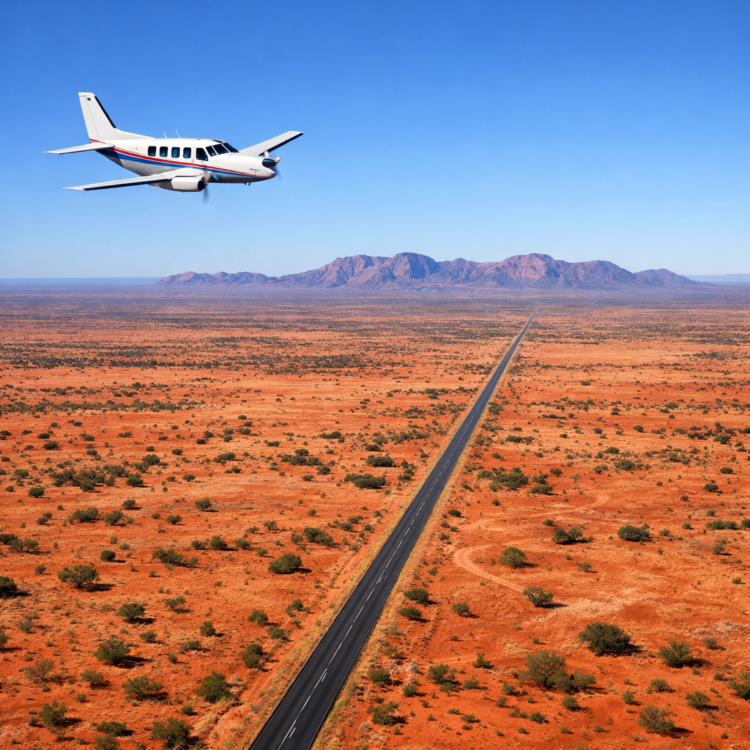
Planning travel between Australian destinations is where most first-time visitors radically underestimate the scale of the country. That quick drive from Sydney to Uluru you sketched on a map? It’s 2,800 kilometres and roughly 28 hours behind the wheel. Australia is almost the size of the continental United States, and those vast distances fundamentally change how you should plan your trip.
Why Travel Between Australian Destinations Isn’t Like Europe
Here’s the reality check: if you’re hoping to visit Sydney, the Great Barrier Reef, Uluru, and Melbourne in ten days, you’ll spend more time in airports and transit than actually seeing anything. The flight from Sydney to Cairns (the gateway to the reef) alone takes about three hours. From Cairns to Uluru? There’s no direct flight — you’ll route through a major city, burning most of a day.
This isn’t a country you can tick off region by region in a fortnight. Smart first-timers pick two, maybe three, distinct areas and explore them properly rather than collecting airport stamps.
When Flying Makes Sense (Nearly Always)
Domestic flights are the backbone of getting around Australia for visitors. Sydney to Melbourne is an hour in the air versus nine hours driving. Adelaide to Alice Springs (your base for the Red Centre) is a two-hour flight versus a punishing 15-hour drive through desert.
Regional airports connect surprisingly well. You can fly directly into Ayers Rock Airport, just 30 minutes from Uluru, rather than enduring the 4.5-hour drive from Alice Springs. The Whitsundays have connections through Proserpine and Hamilton Island. Check current domestic flight schedules early — routes and frequencies shift with seasons and demand.
Budget Time for Connections
Don’t book tight connections. Australian airports are efficient, but domestic terminals can be separate buildings, and if you’re connecting from an international arrival in Sydney or Melbourne, factor in customs, baggage claim, and sometimes terminal transfers. A two-hour buffer is sensible.
The Exceptions: When Driving Rewards You
Some routes are made for driving. The Great Ocean Road from Melbourne is spectacular — those coastal cliffs and the Twelve Apostles limestone stacks reveal themselves slowly, with lookouts and small towns punctuating the journey. You’d miss everything from 30,000 feet.
Similarly, exploring Tasmania rewards a car rental. The island state is compact enough that driving between Hobart, the east coast, and Cradle Mountain national parks gives you flexibility without the marathon distances of the mainland. Ditto the Blue Mountains region west of Sydney — it’s close enough for a day trip or overnight, and having your own wheels means stopping at multiple lookouts and walking tracks.
Practical Tips for Moving Between Destinations
- Book domestic flights when you book internationals — prices rise closer to departure, especially during Australian school holidays (mid-December to late January, and two weeks around Easter).
- Consider open-jaw flights: fly into Sydney, out of Cairns, for example, rather than backtracking to your entry point.
- Check baggage policies — domestic carriers often charge for checked bags on budget fares.
- Rental cars picked up in one city and dropped in another incur steep one-way fees; fly between major hubs and rent locally instead.
- Regional bus services exist but are slow — the bus from Sydney to Melbourne takes 12 hours overnight, which sounds romantic until you’re actually doing it.
Timing Your Travel Between Australian Destinations by Season
Remember that seasons flip in the Southern Hemisphere. December to February is summer — perfect for Sydney’s beaches and the Great Ocean Road, but brutally hot in the Red Centre (Uluru can hit 40°C-plus) and the Wet season in the tropical north makes the Daintree Rainforest and parts of the Great Barrier Reef less appealing.
Winter (June to August) is ideal for the Northern Territory and Queensland’s tropical regions — warm days, clear skies, no humidity. But Melbourne and Tasmania can be genuinely cold and wet. Travelling between regions in different climate zones means your packing list needs layers for both extremes.
Shoulder Seasons Offer Flexibility
April-May and September-October deliver milder weather across most of the country. Crowds thin out after school holidays end, and you’ll find more availability for accommodation and tours without the peak-season premiums. Check official visitor websites for each region’s current conditions before finalising your route.
Build Breathing Room Into Your Itinerary
The single best piece of advice? Allow at least three nights in each destination you visit. Arriving somewhere at 2pm, sleeping, then catching a morning flight out means you’ve barely experienced anything. If you’re flying to Cairns for the reef, give yourself time for a snorkelling day trip and perhaps a visit to the Daintree. If you’re heading to Kangaroo Island off South Australia’s coast, factor in the ferry schedule and at least two full days to explore the wildlife and beaches.
Australia rewards slow travel. The distances won’t shrink, but your trip will feel infinitely richer when you’re not sprinting through airports every 36 hours. Pick your highlights, fly between them efficiently, and give yourself room to actually arrive.
You might also like:
- Waterfront Caravan Parks in Port Macquarie: Where to Stay Right on the Water
- Tamworth’s Regional Gallery and Country Pubs: An Art-Fuelled Pub Crawl Through History
For current opening hours, prices and bookings, see Great Barrier Reef Marine Park Authority.
