
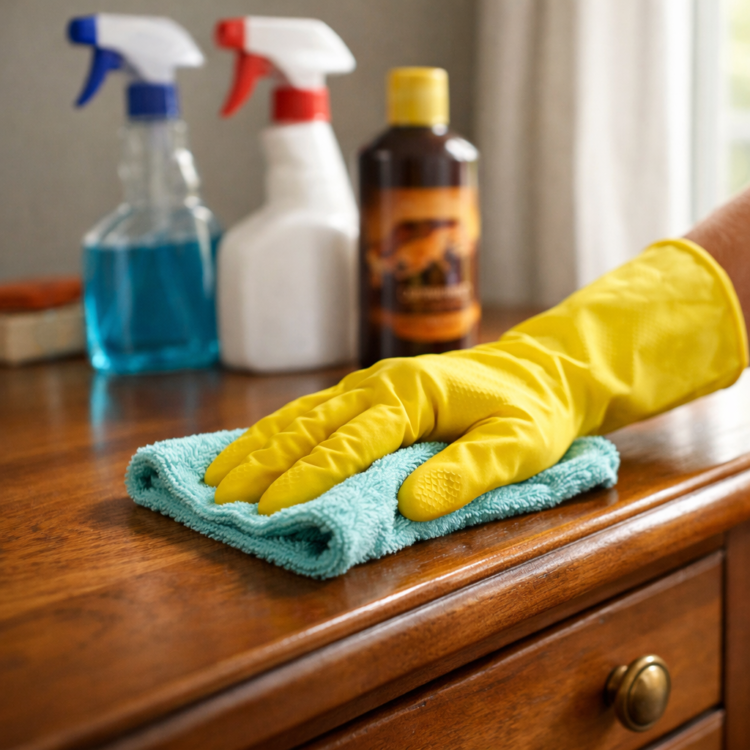
If you’re wondering how to clean used furniture before selling, you’re already ahead of most sellers. A thorough cleaning can transform a tired-looking piece into something buyers actually want to buy, often increasing your final sale price by 20-30%. In this guide, we’ll walk you through the exact steps to prepare your furniture for a successful sale.
Why Cleaning Used Furniture Makes a Difference
First impressions matter enormously in online marketplaces. Buyers scroll through dozens of listings, and dirty or dusty furniture gets passed over immediately. However, a clean, well-presented piece catches the eye and signals that you’ve taken care of your belongings.
Moreover, proper cleaning allows you to accurately assess the furniture’s condition. You might discover hidden damage that affects pricing, or conversely, realize your piece is in better shape than you thought. Either way, you’ll price more accurately and set realistic buyer expectations.
Essential Supplies for Cleaning Furniture Before Sale
Before you start, gather the right supplies. Having everything on hand makes the process much faster and more effective. For example, using the wrong cleaner can damage finishes and reduce value instead of increasing it.
- Microfiber cloths and soft brushes for dusting
- Wood polish or conditioning oil for wooden pieces
- Upholstery cleaner or fabric-safe stain remover
- Leather conditioner for leather furniture
- Vacuum with upholstery attachments
- Mild dish soap and warm water
- Magic erasers for scuff marks
How to Clean Used Furniture: Wood and Hard Surfaces
Start by removing all dust with a dry microfiber cloth or soft brush. Pay special attention to crevices, carved details, and underneath surfaces where dust accumulates. Next, use a wood cleaner appropriate for the finish type.
For most wood furniture, a solution of mild dish soap and water works perfectly. Dampen your cloth—never soak it—and wipe down all surfaces. Immediately dry with a clean cloth to prevent water damage. Finally, apply wood polish or conditioning oil to restore shine and hide minor scratches.
If you’re dealing with painted or laminate surfaces, the same gentle soap solution works well. As a result, you’ll avoid harsh chemicals that might strip finishes or leave residue.
Cleaning Upholstered Furniture Before Selling
Upholstered pieces require more attention but yield impressive results. Begin by vacuuming thoroughly using the upholstery attachment, including cushions, crevices, and underneath seat cushions. This step alone removes surprising amounts of dust and debris.
Next, spot-treat any visible stains with an appropriate cleaner. Always test cleaning products on a hidden area first to ensure they won’t discolor the fabric. For overall freshening, consider using a fabric spray or upholstery cleaner according to package directions.
Additionally, check if cushion covers are removable and machine-washable. Freshly laundered covers can make an enormous difference in presentation. Remember to let everything dry completely before taking photos or allowing viewings.
Dealing with Odors
Musty or stale smells are deal-breakers for many buyers. Sprinkle baking soda liberally over upholstered surfaces, let sit for several hours, then vacuum thoroughly. This natural deodorizer absorbs odors without adding artificial fragrances that might trigger sensitivities.
Final Touches That Boost Appeal
Once you’ve finished the deep clean, take care of small details that elevate presentation. Tighten any loose screws or bolts—wobbly furniture raises red flags for buyers. Replace missing knobs or pulls if possible, or mention in your listing that they’re missing.
Furthermore, consider minor touch-ups with furniture markers for small scratches or wood putty for tiny dents. These quick fixes take minutes but significantly improve appearance. However, be honest in your listing about any repairs you’ve made.
Finally, stage your furniture in a clean, well-lit space for photos. A freshly cleaned piece photographed against clutter still won’t sell well. Clear backgrounds and natural lighting showcase your preparation work effectively.
How to Price Cleaned vs. Uncleaned Pieces
After you’ve completed cleaning your used furniture for resale, adjust your pricing accordingly. Clean, well-maintained pieces command premium prices in local marketplaces. Research similar items to gauge appropriate pricing, then position yours at the higher end if condition warrants it.
In contrast, if you discover damage during cleaning, price honestly to reflect the actual condition. Transparency builds trust and leads to faster sales with fewer negotiations. Mention your cleaning efforts in the listing description to justify your asking price.
Taking time to properly clean your furniture before listing pays dividends in faster sales and better prices. Buyers appreciate sellers who invest effort in presentation, and your cleaned pieces will stand out among neglected competition. With these techniques, you’re ready to prepare furniture that practically sells itself.
You might also like:

Taste Tamworth Festival Pop-Up Bars: Your Complete Guide
September 10, 2026 at 8:18 am
[…] How to Clean Used Furniture Before Selling: A Step-by-Step Guide […]
Canoeing Warrabah National Park: Paddle the Namoi River
September 10, 2026 at 7:09 pm
[…] How to Clean Used Furniture Before Selling: A Step-by-Step Guide […]