
Flying between Australian cities is something many first-time visitors underestimate when planning their Australian adventure, and that miscalculation can derail an otherwise brilliant trip. Australia is roughly the same size as the continental United States, but with most of its population concentrated along the coasts. The distances between major attractions aren’t just long—they’re genuinely enormous, and understanding this early in your planning will save you from spending half your holiday staring at a highway.
Why Flying Between Australian Cities Isn’t a Luxury—It’s Essential
Look at a map and you’ll see Sydney to Cairns doesn’t look far. It’s 2,400 kilometres. That’s a 29-hour drive without stops, or roughly three full days if you’re being realistic about rest breaks and sleep. The same trip takes about three hours by air.
Even seemingly manageable distances surprise people. Sydney to Melbourne is 880 kilometres—about nine hours of solid driving, or just over an hour in the air. Alice Springs to Uluru, both in the Red Centre, is still 4.5 hours by road. When you’re working with a typical two or three-week holiday, spending entire days behind the wheel means sacrificing actual experiences.
Australia’s geography works against the romantic road-trip fantasy. Large stretches between destinations offer little to see except scrubland and the occasional roadhouse. Save the scenic drives for places designed for them—the Great Ocean Road along Victoria’s coast, for instance—and use domestic flights to cover the big gaps.
How to Build Your Itinerary Around Domestic Flights
Start by choosing three or four key destinations rather than trying to tick every box. A first-timer might pick Sydney, the Great Barrier Reef (accessed via Cairns or Port Douglas), and Uluru, with a possible fourth stop in Melbourne or the Whitsundays. That’s already three domestic flights minimum.
Ayers Rock Airport, just 30 minutes from Uluru, makes the Red Centre surprisingly accessible despite its remote location. Cairns serves as the gateway to both the reef and the Daintree Rainforest. The Whitsundays are reached via flights to Hamilton Island or Proserpine. Tasmania requires a flight to Hobart or Launceston. Each of these connections would take multiple days to drive from any major city.
Factor Flight Time Into Your Planning
Don’t schedule your Great Barrier Reef snorkelling tour for the same day you fly into Cairns—you’ll be rushed and anxious. Give yourself the afternoon or evening of arrival to settle in. Similarly, if you’re flying out of Sydney internationally, stay your last night in Sydney rather than trying to fly in from somewhere else that morning. Domestic delays happen.
When to Book Flights for the Best Experience
Timing matters beyond just prices. Australia’s reversed seasons mean planning domestic travel around weather makes a real difference to what you’ll actually see and do. Summer (December through February) brings tropical humidity and potential cyclones to far north Queensland, making that gorgeous reef experience sweaty and possibly stormy. Winter (June through August) offers perfect weather for the north but can be surprisingly cold in Tasmania and the Blue Mountains west of Sydney.
The shoulder seasons—April to May and September to November—deliver comfortable temperatures across most of the country. You’ll find flying between Australian cities during these months means better weather at both ends of your journey. Uluru in October or April is warm but not scorching. The Great Ocean Road in autumn (March to May) offers clear days without summer crowds.
What Flying Between Australian Cities Actually Costs Your Itinerary
Budget both money and time. Domestic flight prices fluctuate significantly based on season and how far ahead you book, so check airline websites directly for current fares rather than assuming. As a planning principle, though, assume domestic flights will form a significant portion of your transport budget—often more than international visitors expect.
Time-wise, Australian domestic flights are generally efficient. Security is thorough but usually quicker than international standards. Most airports are compact and easy to navigate. Still, arrive at least 90 minutes before departure, and remember you’ll need time on both ends for airport transfers.
Key Routes to Consider
- Sydney to Cairns (access to Great Barrier Reef, Daintree, Port Douglas)
- Sydney or Melbourne to Ayers Rock Airport (for Uluru and Kata Tjuta)
- Sydney to Melbourne (if you want both cities plus Great Ocean Road)
- Melbourne to Hobart (gateway to Tasmania’s wilderness)
- Sydney to Hamilton Island or Proserpine (for the Whitsundays)
- Adelaide to Kingscote (for Kangaroo Island wildlife)
Alternatives When They Actually Make Sense
Some shorter distances genuinely suit driving or other transport. Sydney to the Blue Mountains is a two-hour drive through increasingly dramatic scenery—flying would be absurd. Melbourne to the start of the Great Ocean Road is similar. The Bondi to Coogee coastal walk in Sydney obviously can’t be flown.
Trains connect Sydney and Melbourne overnight if you enjoy rail travel, though it’s slower than flying and not necessarily cheaper. Coaches run between many cities at budget prices, but you’re trading money for many, many hours on the road.
For destinations like Kangaroo Island or some parts of the Whitsundays, you’ll combine a flight to the nearest city (Adelaide or Proserpine) with a ferry or boat transfer. Check the relevant visitor centre websites for current transport options and schedules when you’re ready to book.
Making the Most of Your Time in the Air
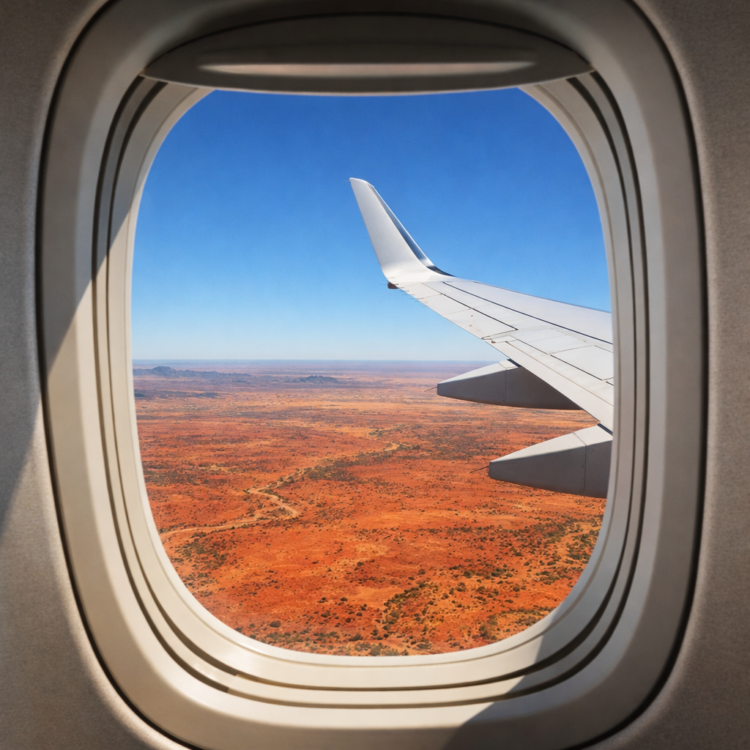
Here’s the upside: domestic flights between Australian destinations often deliver spectacular views. The flight to Ayers Rock Airport crosses the ochre-red expanse of the outback. Approaching Cairns, you’ll see the reef’s turquoise waters spreading below. Flying into Hamilton Island reveals the full sweep of the Whitsunday islands scattered across impossibly blue ocean.
Book window seats when you can. Bring a camera. These aerial perspectives give you a sense of Australia’s scale and beauty that you’d never get from the ground.
The tyranny of distance is real in Australia, but domestic aviation has made the country remarkably accessible for travellers with limited time. Plan your route around flying between cities for the big distances, save your energy for the experiences at each destination, and you’ll come home with stories about what you saw and did—not how many hours you spent watching the highway disappear under your rental car.
You might also like:
- How to Price Used Furniture That Sells Fast Without Leaving Money on the Table
- Australian Country Music Hall of Fame: Hidden Stories Behind the Songs
For current opening hours, prices and bookings, see Great Barrier Reef Marine Park Authority.
