
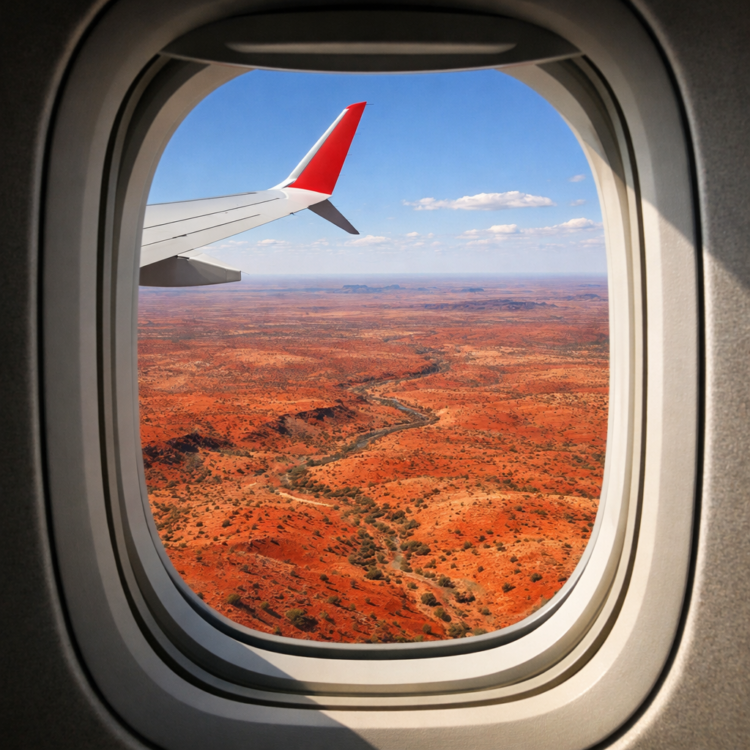
Getting around Australia is one of the biggest surprises for first-time visitors. That map looks manageable until you realise Sydney to Cairns is the same distance as New York to Miami, and Perth sits further from Sydney than London is from Moscow. Understanding how to navigate this sprawling continent will make or break your itinerary.
Why Most First-Timers Should Fly Between Major Destinations
The drive from Sydney to the Great Barrier Reef takes roughly twenty hours of actual road time. That’s multiple days of your holiday spent watching highway markers tick past. Flying the same route? About three hours.
Australia’s six states and two major territories spread across a landmass nearly the size of the United States. Road tripping works brilliantly for regional loops—think the Great Ocean Road in Victoria or exploring around Cairns—but chaining together the big-ticket experiences by car will eat your entire trip. Domestic flights are frequent, and checking current fares online often reveals surprisingly affordable options, especially if you book ahead.
When to Book Domestic Flights
Australian school holidays (mid-December through January, two weeks around Easter, and two weeks in late June/early July) see prices spike and seats fill fast. If your dates overlap with these periods, book flights as early as possible. Outside peak times, you’ll find better deals and more flexibility.
The Smart Way to Mix Flying and Driving When Getting Around Australia
Here’s the strategy that actually works: fly between the major regions, then rent cars for local exploration. Land in Sydney, spend a few days exploring the harbour and maybe drive out to the Blue Mountains. Fly to Cairns, rent another car to explore Port Douglas and the Daintree Rainforest. Fly to Alice Springs as your base for Uluru, about 4.5 hours by road.
This hub-and-spoke approach gives you the best of both worlds. You’re not wasting precious days crossing empty stretches of the Outback, but you still have the freedom to pull over at that stunning lookout or detour to a local winery.
Regional Trips That Actually Reward Driving
- The Great Ocean Road coastal drive from near Melbourne—limestone stacks, shipwreck sites, and coastal towns at your own pace
- Tasmania’s compact size makes it perfect for a week-long driving loop through wilderness and national parks
- The Whitsunday coast and nearby islands, with day trips from Airlie Beach as your base
- The Red Centre triangle: Uluru, Kata Tjuta, and Alice Springs (though you’ll likely fly into Ayers Rock Airport or Alice Springs first)
What Getting Around Australia Costs in Time (Not Just Money)
Time is your most limited resource on a first visit. Most international visitors have two to three weeks maximum. Spending three of those days driving from Melbourne to Cairns means three fewer days actually experiencing the reef, the rainforest, or the coast.
Consider this: Uluru-Kata Tjuta National Park sits in the Northern Territory’s Red Centre, roughly in the continent’s middle. The nearest city is Alice Springs. Even that’s 4.5 hours of driving through desert. Without flying to Ayers Rock Airport (about 30 minutes from Uluru) or Alice Springs Airport, you’d need to drive from Adelaide (roughly fifteen hours) or Darwin (roughly eighteen hours). That’s not an adventure—it’s punishment.
Seasonal Timing for Travel Between Australian Regions
Getting around Australia in summer (December through February) means dealing with cyclone season up north and scorching heat in the Red Centre. Winter (June through August) flips the script: tropical Queensland becomes beautifully mild while southern regions like Tasmania and the Blue Mountains turn quite cold.
The shoulder seasons—April to May and September to November—offer the sweet spot for covering multiple regions. You’ll dodge the worst weather extremes and the school holiday crowds. Check official visitor websites for each specific destination’s ideal window, since conditions vary dramatically across the continent.
Practical Transport Details First-Timers Need
Traffic drives on the left throughout Australia. International visitors need either an International Driving Permit or an official English translation of their home licence to rent cars legally. Book rental cars when you book flights—availability gets tight in popular regions during peak seasons.
For places like Kangaroo Island off South Australia’s coast, you’ll need to factor in ferry schedules and bookings. Island destinations often require advance planning since capacity is limited. Always check the official visitor information for your specific destinations regarding current transport options, ferry timetables, and whether you need to book ahead.
Building Your Route: A Realistic First-Timer Itinerary
Three weeks gives you time for maybe four or five regions done properly. Pick a logical loop: Sydney and surrounds, fly to Cairns for the reef and Daintree, fly to the Northern Territory for Uluru, then perhaps Melbourne and the Great Ocean Road before flying home from Melbourne. Or swap in the Whitsundays, or Tasmania, or Western Australia’s Ningaloo Reef—but not all of them.
Trying to see everything means you’ll spend your trip in airports and on highways rather than actually experiencing Australia. Three or four regions explored properly beats seven regions glimpsed through a car window.
The key to getting around Australia successfully is accepting that this continent is genuinely vast. Fly the big hops, drive the scenic regional loops, and give yourself time to actually stop and explore rather than just transit through. You’ll see more, stress less, and come home with stories about places instead of highways.
You might also like:
- Australian Country Music Hall of Fame: Tracking Down the Women Who Made History
- Canoeing the Namoi River in Warrabah National Park: A Hidden Paddle Paradise
For current opening hours, prices and bookings, see Parks Australia – Uluru-Kata Tjuta National Park.
