
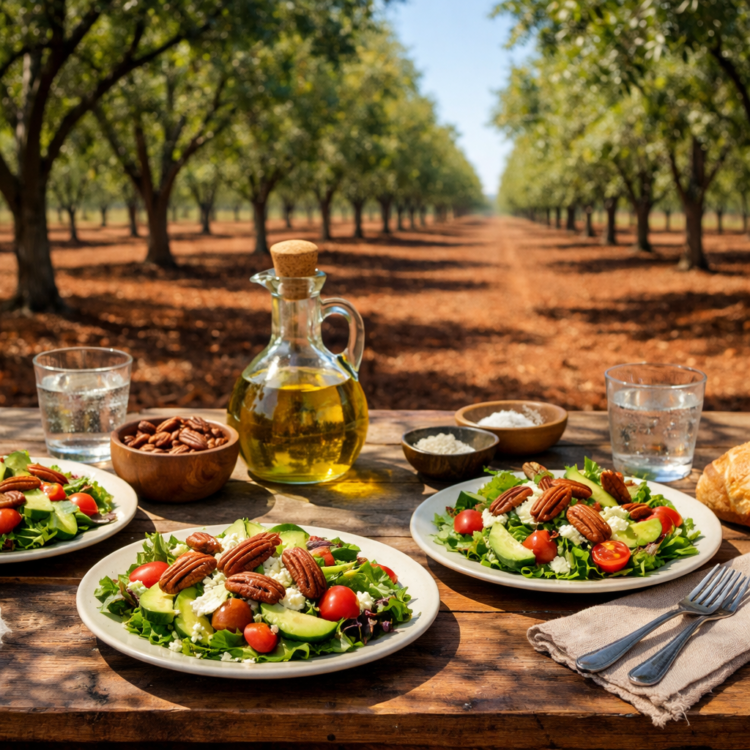
When you visit Moree pecan farms and the surrounding Gwydir Valley, you’re stepping into one of Australia’s premier nut-growing regions. However, the real magic happens when this local harvest transforms into creative cafe dishes and long, leisurely country lunches that celebrate the agricultural landscape stretching across northwest NSW.
Why Moree Pecan Farms Matter to Your Plate
The rich alluvial soils of the Gwydir Valley, fed by the Mehi River and supported by underground artesian water, create ideal conditions for pecan cultivation. As a result, the region produces a significant portion of Australia’s commercial pecan crop, alongside cotton, wheat, and olives. These orchards aren’t just agricultural operations—they’re the foundation of Moree’s emerging food tourism scene.
Local tour operators run pecan farm tours where you can walk through shaded groves, learn about the growing cycle from spring bud to autumn harvest, and understand why the nuts from this region command premium prices. For current tour schedules and booking details, contact the Moree Visitor Information Centre, as availability often depends on the season and harvest schedule.
Tracing Pecans from Orchard to Moree Cafes
The beauty of eating in Moree is the transparency of the supply chain. Many cafes along Balo Street—the town’s Art Deco heritage precinct built in the 1920s-1930s—source directly from nearby farms. You’ll find pecans featured in everything from breakfast granola and salad toppings to pecan pie that tastes worlds apart from imported versions.
When ordering, don’t hesitate to ask your server about the provenance. Most establishments are proud to share which farm supplied their ingredients, and staff can often tell you stories about the growers themselves. This connection between land and lunch plate is what transforms a simple meal into an authentic regional experience.
Planning Your Long Country Lunch Around Local Produce
The best approach to experiencing Moree’s pecan and produce scene is to dedicate a full afternoon to it. Here’s how to structure your visit:
- Start with a morning farm tour to understand the cultivation process and seasonal rhythms
- Return to town for a late lunch at one of Balo Street’s heritage cafes, requesting dishes featuring local pecans, olives, or seasonal produce
- Allow at least two hours for your meal—country lunches here are unhurried affairs
- Afterwards, stroll the self-guided Moree Heritage Trail (maps available from the Visitor Information Centre) to walk off your meal while admiring the Art Deco architecture
- Cap the day with a soak at the Moree Artesian Aquatic Centre, where thermal water naturally heated to around 41°C from the Great Artesian Basin will ease any lingering tension
What to Expect: The Moree Dining Pace
Forget Sydney’s rush. Dining in Moree follows a different rhythm, shaped by agricultural seasons and country hospitality. Service is warm and conversational rather than hurried. Menus change with what’s available from local growers, so flexibility rewards the curious eater.
Many venues showcase the region’s broader agricultural bounty alongside pecans—think olive oils pressed from Gwydir Valley fruit, wheat from surrounding properties, and seasonal vegetables. The portion sizes tend toward generous, reflecting farming community traditions where a good feed matters.
Practical Tips for Food-Focused Visitors
Check cafe opening hours before you arrive, as some establishments close early or operate limited weekend schedules. The Moree Visitor Information Centre maintains current dining listings and can recommend venues emphasizing local ingredients. Furthermore, if you’re visiting during harvest season (typically autumn), book farm tours well in advance as spots fill quickly.
Beyond Pecans: The Wider Gwydir Valley Food Story
While pecan orchards anchor this food trail, the valley’s agricultural diversity deserves attention. Cotton farms (also open for tours) reveal the scale of broadacre farming, while olive groves produce oils you can purchase to take home. These products collectively tell the story of how artesian water and fertile soils support an agricultural economy worth exploring through taste.
Located about a 7-hour drive from Sydney or 5.5 hours from Brisbane, Moree rewards travellers willing to venture into northwest NSW. Regular flights operate from Sydney to Moree Airport, just 5km from town, making it accessible even for a long weekend focused on food and relaxation.
Taking the Harvest Home
Before leaving, visit farm gates and local stockists to purchase pecans, oils, and preserves. These make meaningful souvenirs that extend your Gwydir Valley experience long after you’ve returned home. Many growers offer vacuum-sealed pecans that travel well, and staff can advise on storage to maintain freshness.
Ultimately, Moree’s paddock-to-plate scene offers something increasingly rare: genuine connection between growers, cooks, and diners. When you taste a pecan-crusted dish in a heritage cafe, you’re not just eating—you’re participating in a regional food culture shaped by artesian water, volcanic soils, and generations of agricultural knowledge. That’s worth the journey to northwest NSW.
You might also like:
- How to Choose a Safe Meeting Spot for Online Sales
- How to Price Items for a Moving Sale: A Room-by-Room Guide
For current opening hours, prices and bookings, see Visit NSW – Moree.

Driving from Sydney to Moree: The Road Trip Guide to NSW's Artesian Spa Capital | ClassifiedZ
September 8, 2026 at 9:25 am
[…] A Paddock-to-Plate Journey: Where to Taste Moree’s Pecan Harvest […]
Port Macquarie Hastings River: Cafes, Breweries & Cruises
September 14, 2026 at 1:06 am
[…] A Paddock-to-Plate Journey: Where to Taste Moree’s Pecan Harvest […]
Bondi to Bronte: The Most Rewarding Section of Sydney's Coastal Walk | ClassifiedZ
September 14, 2026 at 6:08 pm
[…] A Paddock-to-Plate Journey: Where to Taste Moree’s Pecan Harvest […]