
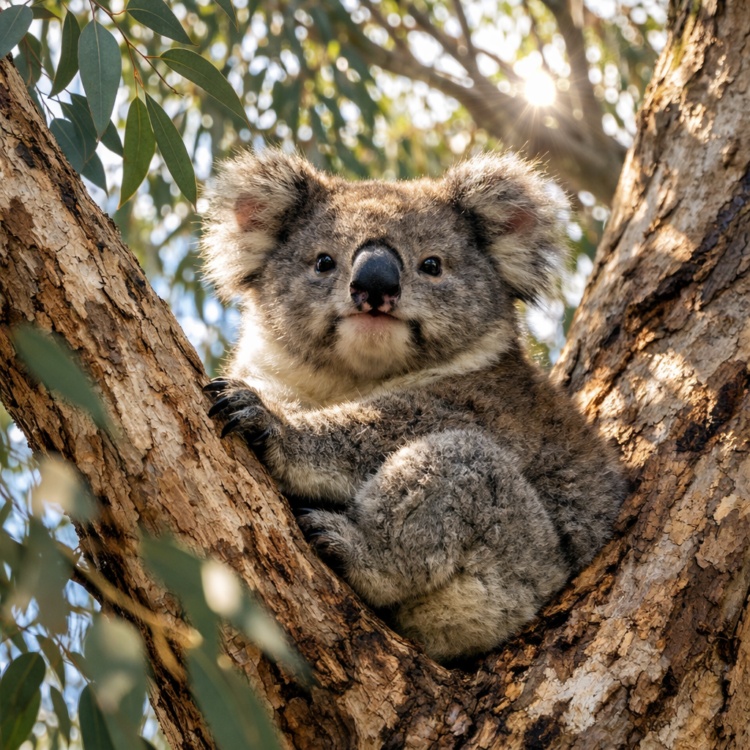
If you want to see koalas in the wild in Australia without the crowds, fences, or feeding schedules of a sanctuary, Kangaroo Island is where you need to go. This island off the coast of South Australia near Adelaide gives you a genuine chance to spot koalas dozing in eucalyptus branches above your head, along with sea lions sprawled on beaches and echidnas shuffling through the bush.
Unlike mainland wildlife parks where koalas live in enclosures, the koalas on Kangaroo Island are completely wild and thriving. The island has no foxes or rabbits—introduced predators that decimated wildlife populations elsewhere—so native animals here live much as they did before European settlement.
Why Kangaroo Island Is Perfect for Spotting Wild Koalas
Kangaroo Island’s koala population descends from just 18 individuals introduced in the 1920s to save the species from mainland decline. Without natural predators and with abundant food, they’ve flourished. Drive almost any road lined with manna gums and you’ll likely see the grey fuzzy rumps of koalas wedged in tree forks.
The density of koalas here means you don’t need a guide or special tour to find them—though both can help. You just need to know where to look and what time of day works best.
Best Spots to See Koalas in the Wild on Kangaroo Island
Head to the eucalyptus woodlands along the island’s northern and eastern coasts. The stretch of road between Kingscote and Emu Bay is particularly reliable. Pull over where you see manna gums and look up—koalas sleep 18-22 hours a day, so you’re looking for a grey lump in the branches, not an active animal.
Early morning and late afternoon offer the best viewing. That’s when koalas are most likely to be awake and moving between trees or munching leaves. Bring binoculars; koalas often sit high in the canopy where they’re hard to photograph with a phone.
Other Wildlife You’ll Encounter
Kangaroo Island isn’t just about koalas. The island’s name gives away another resident—kangaroos and wallabies bound across roads at dusk. At Seal Bay Conservation Park, you can walk among a breeding colony of Australian sea lions on the beach (check the official visitor centre for current tour times and booking requirements).
Echidnas waddle along roadsides, especially after rain. The island also supports over 260 bird species, from tiny fairy wrens to enormous wedge-tailed eagles.
Practical Tips for Seeing Wild Koalas in Australia
- Drive slowly, especially at dawn and dusk when wildlife is most active—and when kangaroos dart across roads
- Pack binoculars and a camera with a good zoom lens; koalas won’t pose at eye level
- Wear muted colours and move quietly when you spot a koala—you’re in their home
- Never attempt to touch or feed any wild animal, including koalas; they have sharp claws and stress easily
- Check your accommodation for koala-spotting maps; many lodges mark reliable viewing trees
When to Visit Kangaroo Island for Wildlife Watching
Koalas are resident year-round, so any season works. Spring (September-November) brings wildflowers and baby animals, though southern Australia’s spring weather can be unpredictable. Summer (December-February) offers long daylight hours but higher temperatures—remember, Australia’s seasons are reversed from the Northern Hemisphere.
Winter (June-August) means fewer tourists and lower accommodation rates, though some tours run less frequently. Autumn (March-May) delivers mild weather and excellent wildlife activity as animals prepare for cooler months.
Getting to Kangaroo Island from Adelaide
Ferries depart from Cape Jervis on the South Australian mainland (about 90 minutes’ drive south of Adelaide) to Penneshaw on Kangaroo Island. The crossing takes roughly 45 minutes. Book ferry tickets well ahead, especially during Australian school holidays. Alternatively, flights connect Adelaide to Kingscote daily; check current schedules and prices through official visitor information websites.
You’ll want a car on the island. Distances are significant and public transport is minimal. Many visitors rent a vehicle in Adelaide or Kingscote.
What Else to Know Before You Go
Allow at least two full days on Kangaroo Island—three or four if you want to explore properly without rushing. The island spans about 150 kilometres end to end, and gravel roads slow travel times.
Fuel up regularly; service stations are sparse. Pack water, snacks, and sun protection. Mobile coverage is patchy outside main towns, so download maps before you leave the mainland.
The Australian dollar (AUD) is the currency, and like the rest of Australia, traffic drives on the left. For current accommodation options, tour bookings, and detailed park access information, check with Kangaroo Island’s official tourism and visitor websites rather than relying on outdated guidebooks.
Spotting a wild koala peering down at you from a eucalyptus canopy, without glass barriers or tour group chatter, makes the ferry ride worth every minute. Add in the sea lions, the empty beaches, and landscapes that feel genuinely remote, and you’ve got one of Australia’s best wildlife experiences.
You might also like:
- Making the Most of Koala Encounters at Billabong Zoo Port Macquarie
- How to Authenticate Vintage Jewelry Before You Buy or Sell
For current opening hours, prices and bookings, see Great Barrier Reef Marine Park Authority.
