
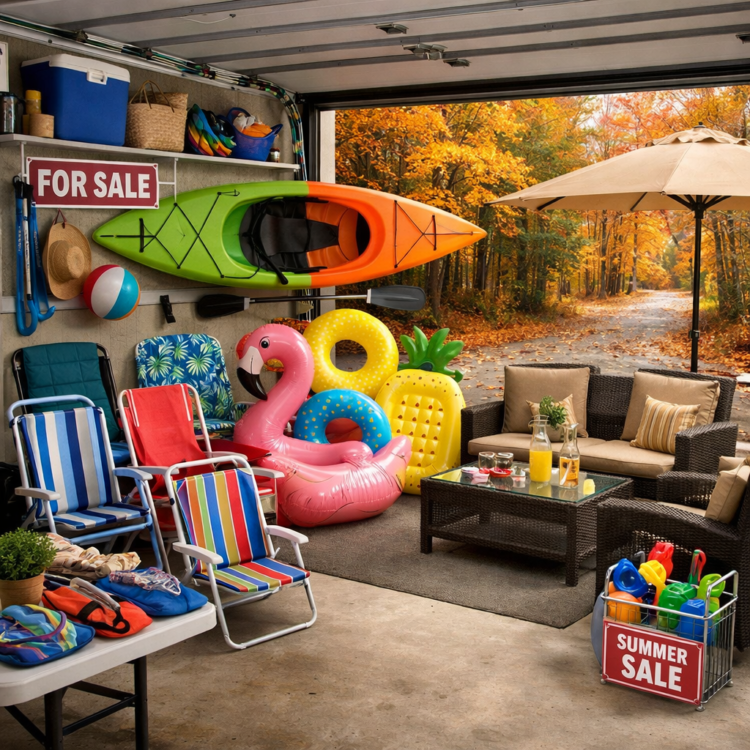
As the leaves start to change and temperatures drop, you might find yourself staring at a garage full of summer items wondering if you’ve missed your window to sell. The good news? Learning how to sell summer items in fall can actually work to your advantage with the right approach. While most sellers are listing their winter gear, you can tap into a unique buyer market and clear out your seasonal inventory before it sits for another year.
Why Selling Summer Items in Fall Makes Sense
Contrary to popular belief, fall isn’t a dead zone for summer merchandise. Many savvy buyers actively hunt for off-season deals, knowing they’ll save significantly compared to spring prices. Vacation planners booking winter getaways to warm destinations need beach gear, pool toys, and summer clothing. Additionally, Southern hemisphere buyers and those relocating to warmer climates are in immediate need of summer essentials.
Another key advantage is reduced competition. When everyone else switches to listing snow blowers and winter coats, your summer listings stand out. Buyers searching specifically for summer items will find fewer options, giving your listings better visibility and positioning you as one of the few available sellers.
How to Sell Summer Items in Fall: Pricing Strategies That Work
Pricing is critical when selling out of season. The golden rule is to price 20-40% below what you’d ask during peak season. This discount compensates buyers for purchasing items they won’t use immediately while still protecting your profit margin better than storing items until next year.
Consider These Pricing Approaches
- Early fall pricing: Start at 20-25% off peak season prices in September when weather is still transitional
- Mid-fall discounts: Increase discounts to 30-35% off in October as urgency to clear inventory grows
- Bundle deals: Group related items (beach umbrella, chairs, and cooler) at attractive package prices
- Firm on quality: High-end or like-new items can command smaller discounts since bargain hunters know the value
Research what similar items sold for during summer, then apply your seasonal discount. Be transparent in your listing that you’re offering off-season savings—this frames the lower price as a smart deal rather than a red flag about quality.
Optimize Your Listings for Off-Season Buyers
When you sell summer items in fall, your listing strategy needs adjustment. Your title and description should acknowledge the season while emphasizing value. Instead of “Beach umbrella for sale,” try “Beach umbrella – save for next summer or winter vacation.” This plants the seed for different use cases.
Photos become even more important off-season. If possible, include summer-setting photos that help buyers visualize using the item. That outdoor furniture looks much more appealing photographed in sunshine than against November’s gray skies. If you only have current photos, ensure items are clean, well-lit indoors, and styled attractively.
Target the Right Keywords
Include search terms that off-season buyers use: “winter vacation,” “tropical trip,” “cruise,” “indoor pool,” “Florida move,” or “Australia.” Someone searching for “beach toys for cruise” in October is a motivated buyer who needs items now, not next June.
Best Summer Items to Sell in Fall
Not all summer inventory sells equally well off-season. Focus your efforts on items with the highest fall demand:
- Outdoor furniture and patio sets: Buyers love off-season deals on big-ticket items they can store until spring
- Water sports equipment: Kayaks, paddleboards, and snorkel gear appeal to winter travelers and year-round enthusiasts
- Camping gear: Fall camping is popular, and summer-weight sleeping bags and tents still sell
- Kids’ summer clothes: Parents buy next year’s sizes ahead at discount prices
- Pool accessories: Robotic cleaners, filters, and maintenance equipment sell to indoor pool owners
- Lawn and garden tools: Serious gardeners plan ahead and appreciate off-season savings
Items with longer lifespans and higher original costs tend to attract more off-season interest than cheap, trendy, or worn items.
Timing and Patience: When to List and When to Wait
The best time to sell summer items in fall is early—September and early October—when weather is still decent in many areas and winter vacation planning peaks. Post listings early in the week when browsing activity is highest, and refresh them weekly to maintain visibility.
However, some items are better stored until late winter. February and March bring buyers preparing for the upcoming season who want deals but don’t want to wait for full spring inventory. Consider this timeline strategy: sell big-ticket items and vacation-related gear in fall, but hold children’s clothing, beach toys, and summer decor until late winter when parents and homeowners start thinking ahead.
Be prepared for longer selling times. Summer items might sit for several weeks in fall compared to days during peak season. Build this into your expectations and avoid panic-pricing too low too quickly.
Turn Off-Season Sales Into Year-Round Success
Mastering how to sell summer items in fall gives you a competitive edge and maximizes returns on seasonal purchases. By pricing strategically, optimizing your listings for off-season buyers, focusing on the right products, and timing your sales wisely, you can clear out inventory and generate income even when conventional wisdom says to wait. The key is understanding that there’s always a buyer—you just need to adjust your approach to match their off-season motivations. Start listing those summer items now, and turn your seasonal surplus into fall profits.

Sunrise at Oxley Lookout Tamworth: Dawn Viewing Guide
September 11, 2026 at 4:06 am
[…] How to Sell Summer Items in Fall: A Strategic Guide for Off-Season Sales […]
Picnicking at Tamworth Regional Botanic Garden Guide
September 11, 2026 at 1:06 pm
[…] How to Sell Summer Items in Fall: A Strategic Guide for Off-Season Sales […]
Flying into Tamworth: Why the Airport Route Beats the Long Drive (And What to Expect) | ClassifiedZ
September 12, 2026 at 10:06 am
[…] How to Sell Summer Items in Fall: A Strategic Guide for Off-Season Sales […]